Author: admin

  • How to Build Strong Presentation Skills
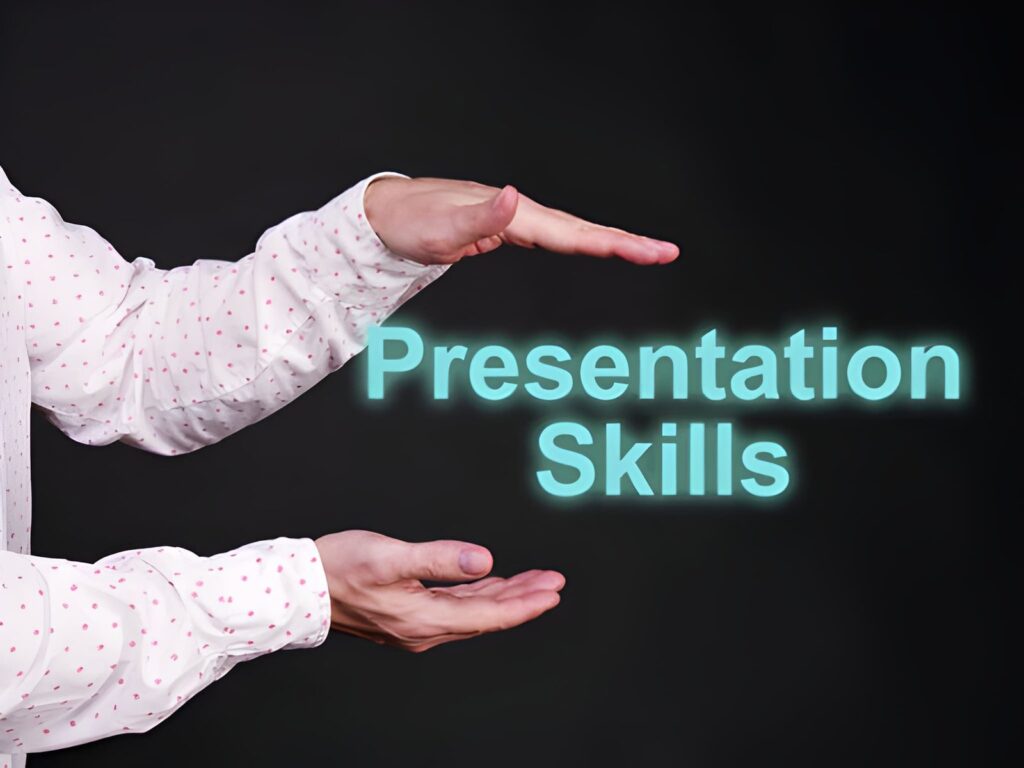
    How to Build Strong Presentation Skills

    Strong presentation skills can help you communicate ideas clearly, influence Hubetcom decisions, build confidence, and create better professional opportunities. Whether you are speaking in a meeting, pitching to clients, teaching a class, or presenting at a conference, your ability to deliver a clear and engaging message matters.

    The good news is that presentation skills are not something you are simply born with. They can be learned, practiced, and improved over time. By preparing effectively, understanding your audience, using confident body language, and practicing regularly, you can become a stronger and more persuasive presenter.

    Why Presentation Skills Matter

    Presentation skills are important because they help you share information in a way that people understand and remember. A strong presentation can inspire action, explain complex ideas, and build trust with your audience.

    In the workplace, good presentation skills can help you lead meetings, deliver project updates, train team members, and communicate with clients. For students, these skills are useful for class projects, interviews, and future career opportunities. In almost every field, the ability to present well gives you an advantage.

    Strong presenters are often seen as confident, knowledgeable, and professional. Even if you have great ideas, they may not have much impact if you cannot explain them clearly. Learning how to build strong presentation skills allows you to communicate with purpose and influence.

    Understand Your Audience

    One of the first steps in building strong presentation skills is understanding your audience. Before you create your presentation, ask yourself who will be listening. Are they beginners or experts? Are they decision-makers, coworkers, customers, or classmates? What do they already know, and what do they need to learn?

    When you understand your audience, you can choose the right tone, examples, and level of detail. A technical audience may expect data and in-depth explanations, while a general audience may need simple language and clear examples.

    Think about what your audience wants from your presentation. Are they looking for a solution, an update, a recommendation, or inspiration? When you focus on their needs, your presentation becomes more relevant and engaging.

    Organize Your Message Clearly

    A strong presentation needs a clear structure. Without organization, even good information can feel confusing. Most effective presentations have three basic parts: an introduction, a main body, and a conclusion.

    In the introduction, capture attention and explain what your presentation is about. You can start with a question, a short story, a surprising fact, or a clear statement of purpose. Let your audience know why the topic matters.

    In the main body, present your key points in a logical order. Try to limit your presentation to three to five main ideas. Too much information can overwhelm your audience. Use transitions between points so listeners can easily follow your message.

    In the conclusion, summarize the most important points and end with a strong final thought. If you want your audience to take action, make that action clear. A good ending helps people remember your message.

    Create Simple and Effective Visuals

    Visual aids can improve a presentation, but only if they support your message. Slides should not be crowded with too much text. Instead, use short phrases, images, charts, or graphics that make your ideas easier to understand.

    A common mistake is reading directly from slides. This can make your presentation feel boring and disconnected. Your slides should guide the audience, while you provide the explanation.

    Use a clean design with readable fonts and consistent colors. Avoid distracting animations or complicated layouts. If you include charts or data, explain what the audience should notice. Effective visuals make your presentation more professional and memorable.

    Practice Before You Present

    Practice is one of the most important ways to build strong presentation skills. Rehearsing helps you become familiar with your material, improve your timing, and reduce nervousness.

    Practice your presentation out loud, not just in your head. Speaking the words helps you notice awkward phrases, unclear sections, or areas where you need better transitions. You can also record yourself to evaluate your pace, tone, and body language.

    If possible, practice in front of a friend, colleague, or family member. Ask for honest feedback. Were your points clear? Did you speak too quickly? Did your introduction capture attention? Feedback can help you make useful improvements before the real presentation.

    Improve Your Body Language

    Body language plays a major role in how your audience perceives you. Confident body language can make you appear more credible and engaged.

    Stand or sit with good posture. Keep your shoulders relaxed and avoid crossing your arms, as this can seem closed off. Use natural hand gestures to emphasize important points, but do not overdo it.

    Eye contact is especially important. Looking at your audience helps create a connection and shows confidence. If you feel nervous, try looking at different sections of the room rather than focusing on one person.

    Movement can also be effective when used with purpose. For example, you might move slightly when transitioning to a new point. Avoid pacing back and forth, as it can distract the audience.

    Develop a Confident Voice

    Your voice is a powerful presentation tool. A clear, steady voice helps your audience stay focused and understand your message. Speak loudly enough to be heard, but avoid shouting.

    Pay attention to your pace. Speaking too quickly can make it difficult for people to follow you, while speaking too slowly can reduce energy. Aim for a natural pace and pause at key moments. Pauses give your audience time to process information and make you sound more confident.

    Vary your tone to keep your presentation interesting. If your voice stays flat, listeners may lose attention. Emphasize important words, show enthusiasm, and let your voice reflect the meaning of your message.

    Manage Presentation Anxiety

    Many people feel nervous before giving a presentation. This is normal, even for experienced speakers. The goal is not to eliminate nerves completely, but to manage them effectively.

    Preparation is the best way to reduce anxiety. When you know your material well, you are less likely to feel overwhelmed. Deep breathing before you begin can also help calm your body and mind.

    It may help to reframe nervousness as energy. Instead of thinking, “I am scared,” tell yourself, “I am excited and ready.” Focus on helping your audience rather than worrying about being perfect.

    Remember that most audiences want you to succeed. They are usually more interested in your message than in small mistakes.

    Engage Your Audience

    An engaging presentation keeps people interested from beginning to end. You can engage your audience by asking questions, using real-life examples, telling short stories, or including moments of interaction.

    Stories are especially powerful because they make information more relatable. A well-chosen example can help your audience understand and remember your point.

    You should also pay attention to audience reactions. If people look confused, you may need to explain something more clearly. If they seem interested, build on that energy. Strong presenters adapt to their audience instead of simply delivering memorized words.

    Keep Learning and Improving

    Building strong presentation skills takes time. After each presentation, reflect on what went well and what could be improved. Did you stay within your time limit? Were your visuals effective? Did the audience respond positively?

    Ask for feedback whenever possible. You can also watch skilled speakers online or in person to learn from their techniques. Notice how they open their presentations, use pauses, tell stories, and close with impact.

    The more you present, the more comfortable and skilled you will become. Improvement comes from consistent practice and a willingness to learn.

    Conclusion

    Learning how to build strong presentation skills is valuable for both personal and professional success. By understanding your audience, organizing your message, practicing regularly, using effective body language, and managing anxiety, you can become a more confident and persuasive presenter.

    Great presentations are not about being perfect. They are about communicating Rồng Hổ clearly, connecting with your audience, and delivering a message that matters. With preparation and practice, anyone can develop strong presentation skills and speak with confidence.


     

  • The Benefits of Educational Workshops

    The Benefits of Educational Workshops

    Educational workshops are powerful TG88com learning experiences that bring people together to gain knowledge, build skills, and apply ideas in practical ways. Unlike traditional lectures, workshops are usually interactive, focused, and designed to encourage participation. Whether they take place in schools, universities, workplaces, community centers, or online, educational workshops offer valuable opportunities for personal and professional growth.

    In today’s fast-changing world, continuous learning is more important than ever. Educational workshops help students, employees, teachers, entrepreneurs, and lifelong learners stay informed, improve their abilities, and adapt to new challenges. Below are some of the key benefits of educational workshops and why they are an effective tool for learning.

    1. Hands-On Learning Experience

    One of the greatest benefits of educational workshops is the opportunity for hands-on learning. Instead of simply listening to information, participants are encouraged to practice new skills, solve problems, and take part in activities.

    This active approach helps learners understand concepts more deeply. For example, a writing workshop may include editing exercises, group discussions, and writing practice. A technology workshop may allow participants to use software tools during the session. By applying what they learn immediately, participants are more likely to remember and use the information later.

    Hands-on learning also makes workshops more engaging. People often learn better when they are actively involved rather than passively receiving information.

    2. Improved Skill Development

    Educational workshops are often designed to focus on specific skills. These may include communication, leadership, problem-solving, digital literacy, time management, teamwork, or creative thinking. Because workshops usually have clear goals, participants can make noticeable progress in a short amount of time.

    For professionals, skill-based workshops can improve job performance and career opportunities. For students, they can support academic success and prepare them for future employment. For business owners, workshops can provide practical knowledge about marketing, finance, customer service, or business planning.

    By attending educational workshops regularly, individuals can continue developing skills that are useful in both personal and professional life.

    3. Increased Confidence

    Learning new information and practicing skills in a supportive environment can greatly increase confidence. Many people hesitate to try something new because they fear making mistakes. Workshops create a safe space where participants can ask questions, experiment, and learn from others.

    As participants gain knowledge and experience, they often feel more confident in their abilities. For example, someone who attends a public speaking workshop may become more comfortable presenting in front of others. A teacher who joins a classroom technology workshop may feel more prepared to use digital tools with students.

    Confidence is an important part of success, and educational workshops help build it through practice and encouragement.

    4. Opportunities for Networking

    Another important benefit of educational workshops is networking. Workshops bring together people with similar interests, goals, or professional backgrounds. This creates opportunities to meet new people, exchange ideas, and build valuable connections.

    Networking can be especially helpful in professional development workshops. Participants may meet potential mentors, business partners, employers, or clients. Students may connect with experts, educators, or peers who share their interests.

    These connections can lead to future collaborations, career opportunities, and ongoing learning. In many cases, the relationships formed during workshops are just as valuable as the knowledge gained.

    5. Access to Expert Knowledge

    Educational workshops are often led by experienced instructors, industry professionals, trainers, or subject-matter experts. This gives participants access to high-quality knowledge and practical insights.

    Experts can explain complex topics in simple ways, answer questions, and share real-world examples. This direct access to expertise makes workshops especially useful for people who want to learn quickly and effectively.

    For example, a business workshop led by a successful entrepreneur can offer practical advice that may not be found in textbooks. A health education workshop led by a medical professional can provide reliable and up-to-date information. Learning from experts helps participants gain trusted knowledge and avoid common mistakes.

    6. Encourages Active Participation

    Workshops are designed to be interactive. Participants often take part in discussions, group projects, role-playing, case studies, and question-and-answer sessions. This active participation improves engagement and helps people learn from different perspectives.

    When participants share their thoughts and experiences, everyone benefits. Group interaction can lead to new ideas, creative solutions, and deeper understanding. It also helps learners become better listeners and communicators.

    Active participation makes educational workshops more dynamic than traditional learning environments. It encourages people to think critically, ask questions, and become more involved in their own learning process.

    7. Flexible Learning Options

    Educational workshops are available in many formats, making them accessible to different types of learners. Some workshops are held in person, while others are offered online. They may last a few hours, a full day, several weeks, or even longer.

    Online educational workshops are especially convenient because participants can join from anywhere. This flexibility is helpful for busy professionals, students, parents, and individuals who may not be able to travel.

    Workshops can also be customized for different skill levels, age groups, and learning goals. This makes them suitable for beginners, advanced learners, and everyone in between.

    8. Supports Lifelong Learning

    Lifelong learning is essential in a world where industries, technologies, and social needs are constantly changing. Educational workshops encourage people to keep learning throughout their lives.

    They help individuals stay updated with new trends, improve existing skills, and explore new interests. Lifelong learning can also improve mental agility, creativity, and adaptability.

    Whether someone wants to advance in their career, start a new hobby, improve personal skills, or contribute to the community, educational workshops provide a practical path to growth.

    9. Boosts Motivation and Inspiration

    Attending a workshop can be highly motivating. Being surrounded by enthusiastic learners and knowledgeable instructors can inspire participants to take action and set new goals.

    Workshops often provide fresh ideas, useful strategies, and a renewed sense of purpose. Participants may leave feeling energized and ready to apply what they have learned.

    This motivation can have a lasting impact, especially when workshops include follow-up resources, action plans, or continued support.

    Conclusion

    Educational workshops offer many benefits, including hands-on learning, skill development, increased confidence, expert guidance, networking opportunities, and personal growth. They are flexible, interactive, and practical, making them one of the most effective ways to learn.

    Whether used in education, business, community programs, or professional development, workshops help Đăng nhập TG88 people gain knowledge and apply it in meaningful ways. In a world that values continuous improvement, educational workshops are an excellent investment in learning, growth, and future success.

  • Bird Watching: A Beginner’s Guide

    Bird Watching: A Beginner’s Guide

    Bird watching, also known as birding, is one of the most relaxing and rewarding outdoor hobbies you can start. Whether you live in a busy city, a quiet suburb, or the countryside, birds are all around you. With a little patience and curiosity, you can begin identifying local species, learning their behaviors, and enjoying nature in a new way.

    This beginner’s guide to bird watching will help you understand what you need, where to go, and how to make the most of your first birding experience.

    What Is Bird Watching?

    King88com is the activity of observing birds in their natural environment. Some people enjoy it casually from their backyard, while others travel to parks, wetlands, forests, and nature reserves to find rare or seasonal birds.

    You do not need to be an expert to enjoy birding. Beginners can start by simply noticing the birds they see every day. Over time, you may learn to recognize different species by their size, color, shape, song, and behavior.

    Why Bird Watching Is a Great Hobby

    Bird watching is popular because it is affordable, peaceful, and easy to begin. Unlike many hobbies, it does not require expensive equipment or formal training. You can start with your eyes, ears, and a willingness to observe.

    Birding also encourages you to spend more time outdoors. It can reduce stress, improve focus, and help you feel more connected to nature. Many bird watchers find that the hobby turns an ordinary walk into an exciting adventure.

    Another benefit is that bird watching can be enjoyed at any age. Children, adults, and seniors can all participate, making it a wonderful activity for families, friends, or solo nature lovers.

    Essential Bird Watching Equipment for Beginners

    You do not need much equipment to begin bird watching, but a few basic tools can improve your experience.

    Binoculars

    A good pair of binoculars is the most useful bird watching tool. Binoculars help you see birds clearly without getting too close and disturbing them. For beginners, binoculars with 8×42 or 10×42 magnification are often recommended because they provide a good balance of zoom, brightness, and stability.

    Field Guide or Birding App

    A field guide helps you identify birds by showing pictures, descriptions, and range maps. You can choose a printed guide for your region or download a bird identification app. Many apps also include bird calls, which are very helpful for learning to identify birds by sound.

    Notebook or Birding Journal

    Keeping a birding journal is a great way to track what you see. Write down the date, location, weather, bird species, and any interesting behaviors. Over time, your notes will help you recognize patterns, such as which birds appear during certain seasons.

    Camera

    A camera is optional, but it can be useful for capturing images of birds you want to identify later. You do not need professional photography gear. Even a smartphone can help document sightings, especially if the bird is nearby.

    Best Places to Go Bird Watching

    One of the best things about bird watching is that you can do it almost anywhere. Start close to home and explore new locations as your interest grows.

    Your Backyard or Balcony

    Your own home can be an excellent place to begin. Birds may visit trees, shrubs, gardens, or feeders. If you place a bird feeder or birdbath outside, you may attract more species.

    Local Parks

    City and community parks are often home to many common birds. Look for areas with trees, flowers, water, and open grass. Early morning is usually the best time to visit because birds are most active then.

    Wetlands and Lakes

    Wetlands, ponds, rivers, and lakes attract water birds such as ducks, herons, geese, and kingfishers. These areas are especially exciting during migration seasons.

    Forests and Nature Reserves

    Forests provide habitat for woodpeckers, owls, warblers, and many songbirds. Nature reserves often have trails, observation platforms, and signs that make birding easier for beginners.

    How to Identify Birds

    Learning how to identify birds takes practice, but there are simple clues that can help.

    First, notice the bird’s size and shape. Is it small like a sparrow, large like a hawk, or long-legged like a heron? Next, look at its colors and markings. Pay attention to patterns on the wings, head, chest, and tail.

    Behavior is another important clue. Some birds hop on the ground, while others climb tree trunks or soar in circles. Also listen carefully. Bird songs and calls are often unique, and many birders identify species by sound before they even see them.

    Finally, consider the habitat. A bird seen near water may be different from one found in a dense forest or open field.

    Bird Watching Tips for Beginners

    To enjoy bird watching, move slowly and quietly. Sudden movements and loud noises can scare birds away. Wear comfortable clothing in natural colors, such as green, brown, or gray, to blend into the environment.

    Bring water, sunscreen, and insect repellent if you plan to be outside for a long time. If you are birding in a park or reserve, stay on marked trails to protect wildlife habitats.

    Patience is key. Sometimes you may see many birds in a short time, and other days may be quiet. The more often you go bird watching, the better your observation skills will become.

    When Is the Best Time for Bird Watching?

    The best time for bird watching is usually early in the morning, shortly after sunrise. Birds are active as they search for food and communicate with each other. Late afternoon can also be a good time.

    Spring and fall are excellent seasons because many birds migrate during these periods. Migration can bring unusual species through your area, giving you the chance to see birds that are not present year-round.

    Winter bird watching can also be rewarding, especially near feeders or open water. In summer, look for nesting birds and young fledglings learning to fly.

    Bird Watching Ethics

    Nạp tiền King88 watching is important. Always respect birds and their habitats. Do not get too close to nests, eggs, or young birds. Avoid playing bird calls repeatedly, as this can stress birds or disrupt their natural behavior.

    Never feed birds food that is unhealthy for them, such as bread or processed snacks. If you use feeders, keep them clean to prevent disease.

    Remember that the goal of bird watching is to enjoy birds without harming or disturbing them.

    Start Your Bird Watching Journey

    Bird watching is a simple hobby that can bring joy, learning, and a deeper appreciation for the natural world. With basic equipment, a quiet approach, and a little patience, anyone can begin birding.

    Start by observing the birds in your neighborhood, then explore local parks, wetlands, and forests. The more you watch, the more you will notice. Every bird sighting is an opportunity to learn something new, making bird watching a hobby that can last a lifetime.

  • Hello world!

    Welcome to WordPress. This is your first post. Edit or delete it, then start writing!