Bird Watching: A Beginner’s Guide
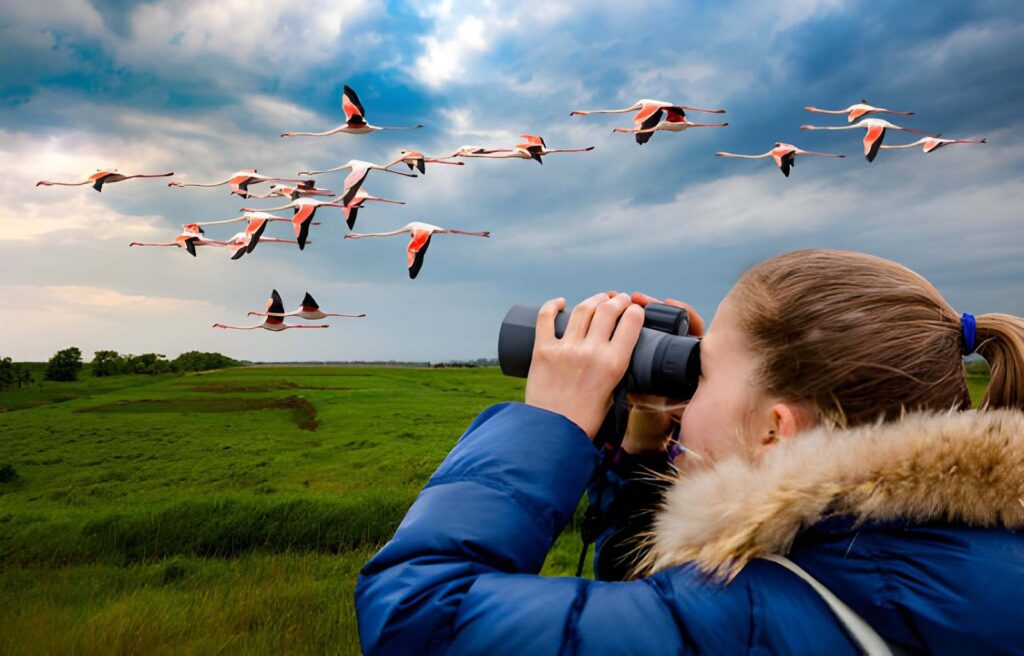
Bird watching, also known as birding, is one of the most relaxing and rewarding outdoor hobbies you can start. Whether you live in a busy city, a quiet suburb, or the countryside, birds are all around you. With a little patience and curiosity, you can begin identifying local species, learning their behaviors, and enjoying nature in a new way.
This beginner’s guide to bird watching will help you understand what you need, where to go, and how to make the most of your first birding experience.
What Is Bird Watching?
King88com is the activity of observing birds in their natural environment. Some people enjoy it casually from their backyard, while others travel to parks, wetlands, forests, and nature reserves to find rare or seasonal birds.
You do not need to be an expert to enjoy birding. Beginners can start by simply noticing the birds they see every day. Over time, you may learn to recognize different species by their size, color, shape, song, and behavior.
Why Bird Watching Is a Great Hobby
Bird watching is popular because it is affordable, peaceful, and easy to begin. Unlike many hobbies, it does not require expensive equipment or formal training. You can start with your eyes, ears, and a willingness to observe.
Birding also encourages you to spend more time outdoors. It can reduce stress, improve focus, and help you feel more connected to nature. Many bird watchers find that the hobby turns an ordinary walk into an exciting adventure.
Another benefit is that bird watching can be enjoyed at any age. Children, adults, and seniors can all participate, making it a wonderful activity for families, friends, or solo nature lovers.
Essential Bird Watching Equipment for Beginners
You do not need much equipment to begin bird watching, but a few basic tools can improve your experience.
Binoculars
A good pair of binoculars is the most useful bird watching tool. Binoculars help you see birds clearly without getting too close and disturbing them. For beginners, binoculars with 8×42 or 10×42 magnification are often recommended because they provide a good balance of zoom, brightness, and stability.
Field Guide or Birding App
A field guide helps you identify birds by showing pictures, descriptions, and range maps. You can choose a printed guide for your region or download a bird identification app. Many apps also include bird calls, which are very helpful for learning to identify birds by sound.
Notebook or Birding Journal
Keeping a birding journal is a great way to track what you see. Write down the date, location, weather, bird species, and any interesting behaviors. Over time, your notes will help you recognize patterns, such as which birds appear during certain seasons.
Camera
A camera is optional, but it can be useful for capturing images of birds you want to identify later. You do not need professional photography gear. Even a smartphone can help document sightings, especially if the bird is nearby.
Best Places to Go Bird Watching
One of the best things about bird watching is that you can do it almost anywhere. Start close to home and explore new locations as your interest grows.
Your Backyard or Balcony
Your own home can be an excellent place to begin. Birds may visit trees, shrubs, gardens, or feeders. If you place a bird feeder or birdbath outside, you may attract more species.
Local Parks
City and community parks are often home to many common birds. Look for areas with trees, flowers, water, and open grass. Early morning is usually the best time to visit because birds are most active then.
Wetlands and Lakes
Wetlands, ponds, rivers, and lakes attract water birds such as ducks, herons, geese, and kingfishers. These areas are especially exciting during migration seasons.
Forests and Nature Reserves
Forests provide habitat for woodpeckers, owls, warblers, and many songbirds. Nature reserves often have trails, observation platforms, and signs that make birding easier for beginners.
How to Identify Birds
Learning how to identify birds takes practice, but there are simple clues that can help.
First, notice the bird’s size and shape. Is it small like a sparrow, large like a hawk, or long-legged like a heron? Next, look at its colors and markings. Pay attention to patterns on the wings, head, chest, and tail.
Behavior is another important clue. Some birds hop on the ground, while others climb tree trunks or soar in circles. Also listen carefully. Bird songs and calls are often unique, and many birders identify species by sound before they even see them.
Finally, consider the habitat. A bird seen near water may be different from one found in a dense forest or open field.
Bird Watching Tips for Beginners
To enjoy bird watching, move slowly and quietly. Sudden movements and loud noises can scare birds away. Wear comfortable clothing in natural colors, such as green, brown, or gray, to blend into the environment.
Bring water, sunscreen, and insect repellent if you plan to be outside for a long time. If you are birding in a park or reserve, stay on marked trails to protect wildlife habitats.
Patience is key. Sometimes you may see many birds in a short time, and other days may be quiet. The more often you go bird watching, the better your observation skills will become.
When Is the Best Time for Bird Watching?
The best time for bird watching is usually early in the morning, shortly after sunrise. Birds are active as they search for food and communicate with each other. Late afternoon can also be a good time.
Spring and fall are excellent seasons because many birds migrate during these periods. Migration can bring unusual species through your area, giving you the chance to see birds that are not present year-round.
Winter bird watching can also be rewarding, especially near feeders or open water. In summer, look for nesting birds and young fledglings learning to fly.
Bird Watching Ethics
Nạp tiền King88 watching is important. Always respect birds and their habitats. Do not get too close to nests, eggs, or young birds. Avoid playing bird calls repeatedly, as this can stress birds or disrupt their natural behavior.
Never feed birds food that is unhealthy for them, such as bread or processed snacks. If you use feeders, keep them clean to prevent disease.
Remember that the goal of bird watching is to enjoy birds without harming or disturbing them.
Start Your Bird Watching Journey
Bird watching is a simple hobby that can bring joy, learning, and a deeper appreciation for the natural world. With basic equipment, a quiet approach, and a little patience, anyone can begin birding.
Start by observing the birds in your neighborhood, then explore local parks, wetlands, and forests. The more you watch, the more you will notice. Every bird sighting is an opportunity to learn something new, making bird watching a hobby that can last a lifetime.